Home / Experience / Teaching & Academic Engagement
International Arts Management · Strategic Marketing · Audience Development
Michael Sowa · University Lecturer
Since 2014
University teaching
EN & DE
Teaching languages
International
Arts management
Theory & Practice
Cases, projects & encounters
How can a cultural organization bring artistic excellence, education and audience development, and effective marketing into harmony? This question lies at the heart of Michael Sowa’s teaching. Artistically compelling programming needs both a clear purpose and a meaningful relationship with the people it seeks to reach.
Drawing on his work at Salzburger Kulturvereinigung, Camerata Salzburg and Esterházy, Sowa connects these questions with the practical responsibilities of leading cultural institutions. Students explore what distinguishes an arts organization from a profit-oriented business, how cultural work relates to entertainment, and how artistic purpose, public responsibility and economic sustainability can work together.
His international outlook, shaped by his studies at the University of London and courses at Harvard, informs an approach that combines critical reflection with case studies, applied projects and direct encounters with cultural professionals.
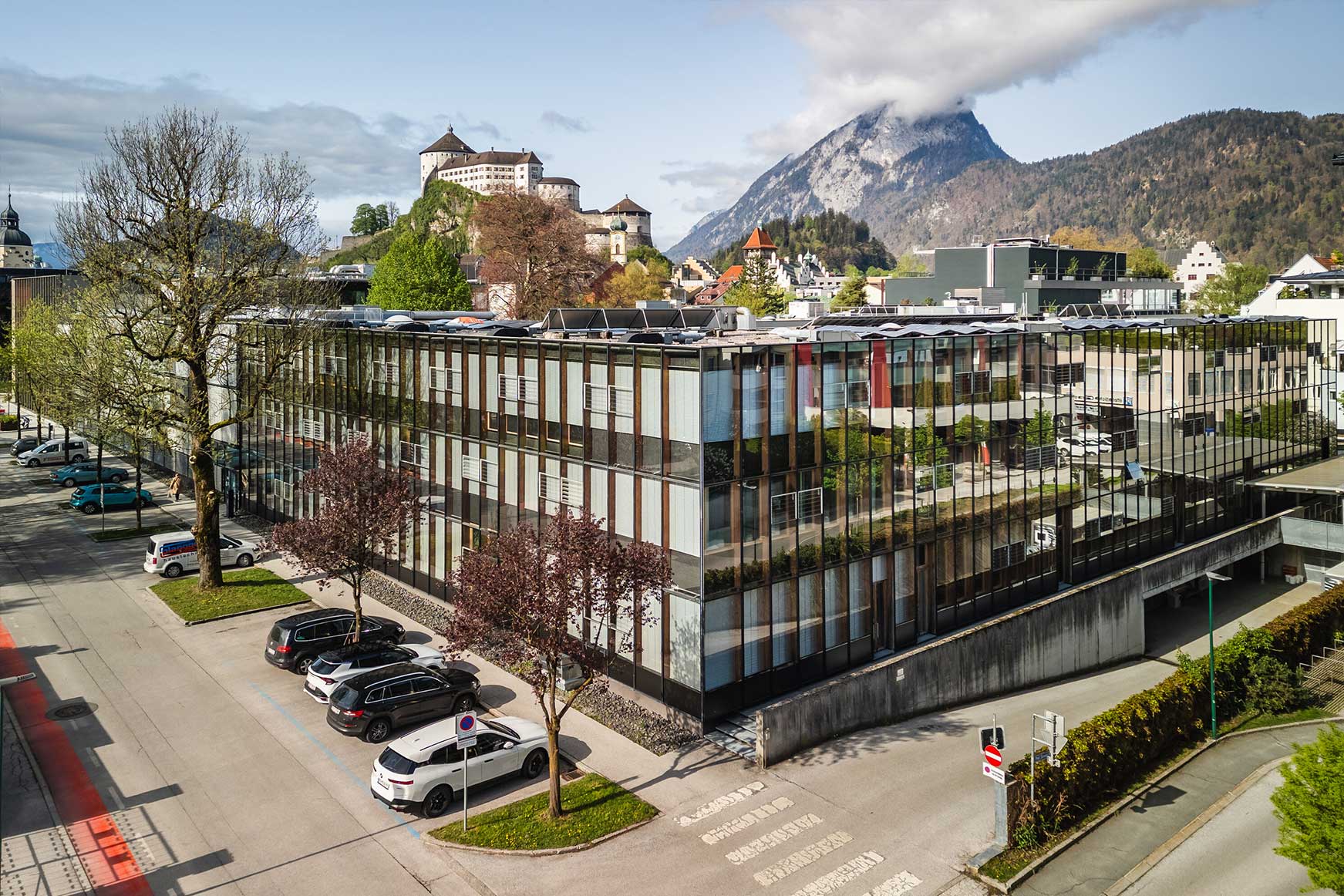
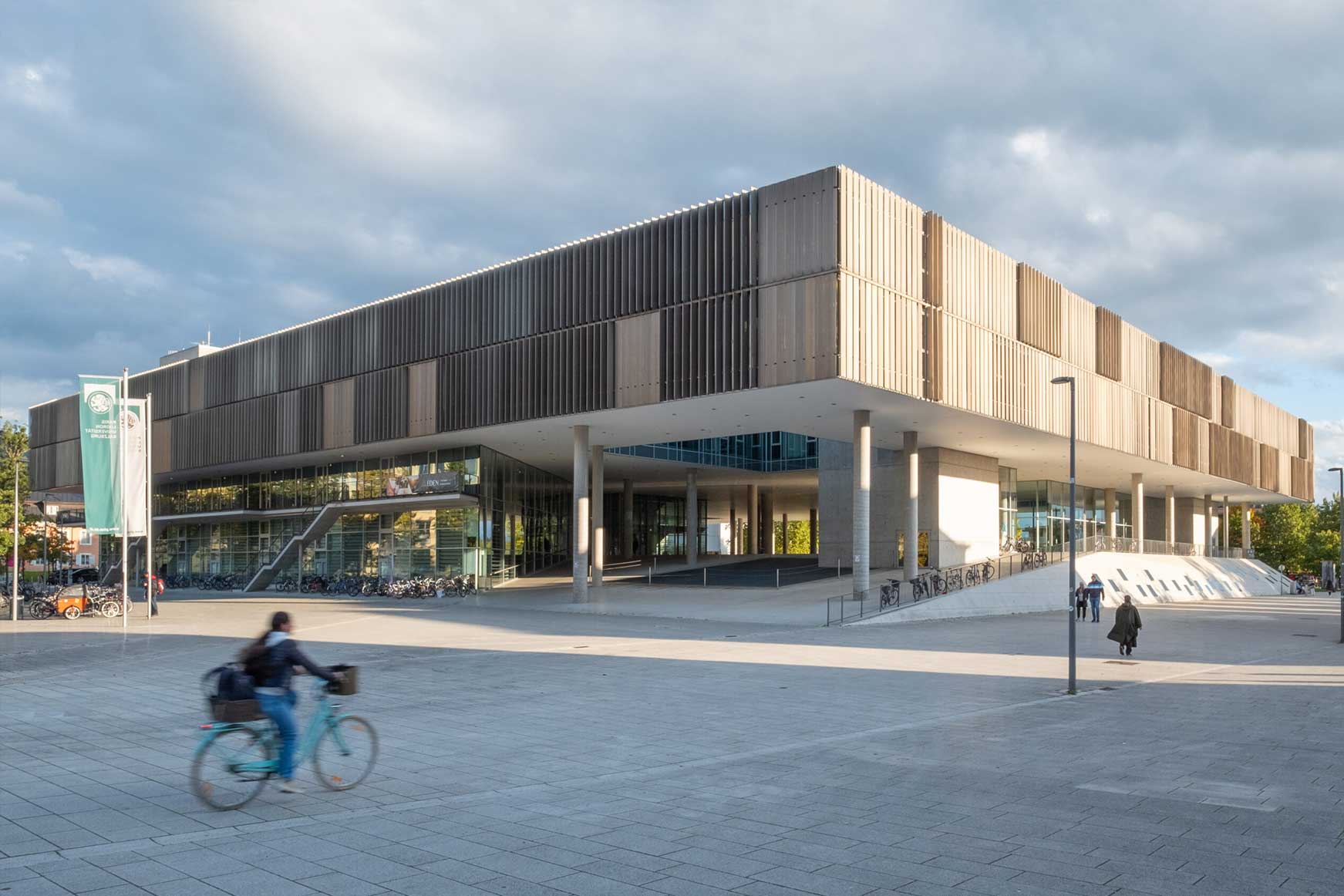
He teaches at the University of Salzburg (since 2014), in the Department of English and American Studies, and at Kufstein Tirol University of Applied Sciences (since 2023), in the bachelor’s and master’s programs in Sport, Culture & Event Management. Teaching takes place in English and German, across full-time and part-time study formats.
Courses

Courses
Academic responsibilities
ARTS MANAGEMENT & STRATEGIC MARKETING
What makes an arts organization successful? Students examine how artistic programming, institutional leadership, funding and fundraising, education, audience development and marketing influence one another. The discussion considers how the artistic and public mission of a cultural institution shapes its decisions alongside the need for financial stability.
Sowa draws on his professional experience to explore the challenge of bringing these responsibilities together. Artistic standards, visibility and participation become connected questions: what is being offered, why does it matter, and how can people find a way into it?
Marketing and communications are central to how a cultural institution expresses its artistic identity and builds relationships with different communities. Teaching connects the marketing mix and public relations with programming, education and audience development, asking how visibility can serve artistic purpose.
“There are cultural organizations in this country that are artistically outstanding but communicate so poorly that hardly anyone knows them. Others are well known without reaching the same artistic standard. For me, institutions such as the Konzerthaus Berlin and the Los Angeles Philharmonic show what is possible when artistic excellence and effective communication come together. Being the best artist in the world achieves little if nobody knows you.”
Michael Sowa about artistic excellence and effective communication
Modern media are an essential part of this work. Students consider how digital channels, storytelling and access behind the scenes can create interest and trust. Artistic quality remains the foundation; communication helps people discover and experience it.
Students work through the decisions behind a concert season: programming, artist representation, financing, promotion and delivery. Group presentations, case studies and written assignments ask them to weigh competing priorities and explain their choices.
Concert visits and professional encounters provide material for this reflection. Students relate what they hear and observe to the management questions discussed in class, connecting artistic experience with an understanding of how institutions operate.
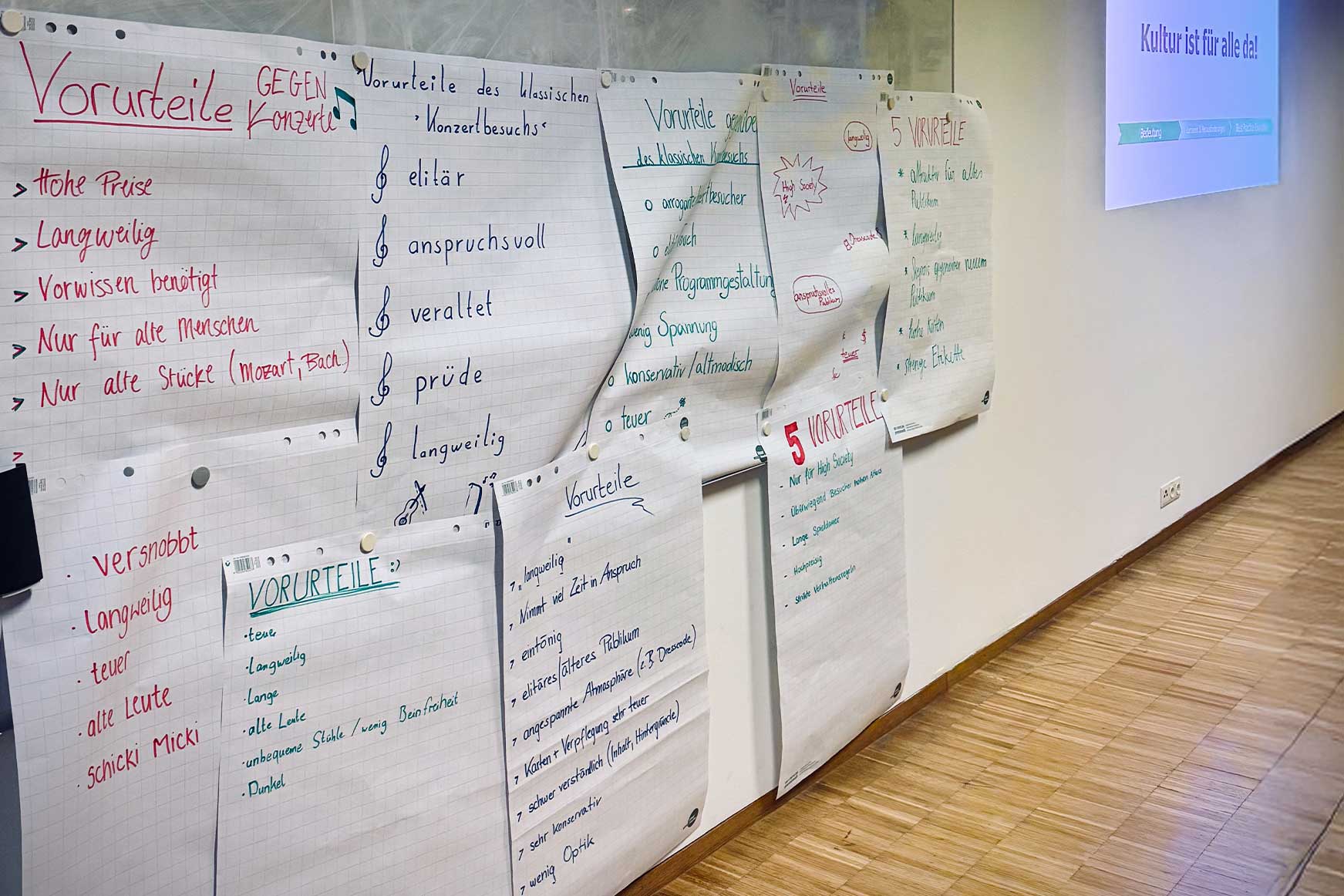
The history of the concert provides a starting point for questioning its future. How did today’s concert conventions develop? Why do audiences behave as they do? Which expectations, rituals and formats still make sense, and which may create unnecessary barriers?
Students examine concert etiquette, programming, music education and new performance formats alongside the relationships between cultural institutions, entertainment and commercial enterprise. The aim is to understand how traditions arose and to assess how they can evolve while preserving the quality and intensity of the artistic experience.
INTERNATIONAL MANAGEMENT & CULTURAL POLICY
An international outlook helps students question assumptions that may seem self-evident in Salzburg. Cultural institutions operate within different funding systems, public expectations and organizational traditions; understanding those differences is essential to assessing how they work.
Students compare approaches in Austria, the United Kingdom and the United States, considering how these conditions shape programming, fundraising, marketing and audience relationships. Sowa sees growing relevance in British and American experience as Austrian institutions face changing financial and social conditions. These comparisons encourage students to examine what can be learned, what can be adapted and where local circumstances require a different response.
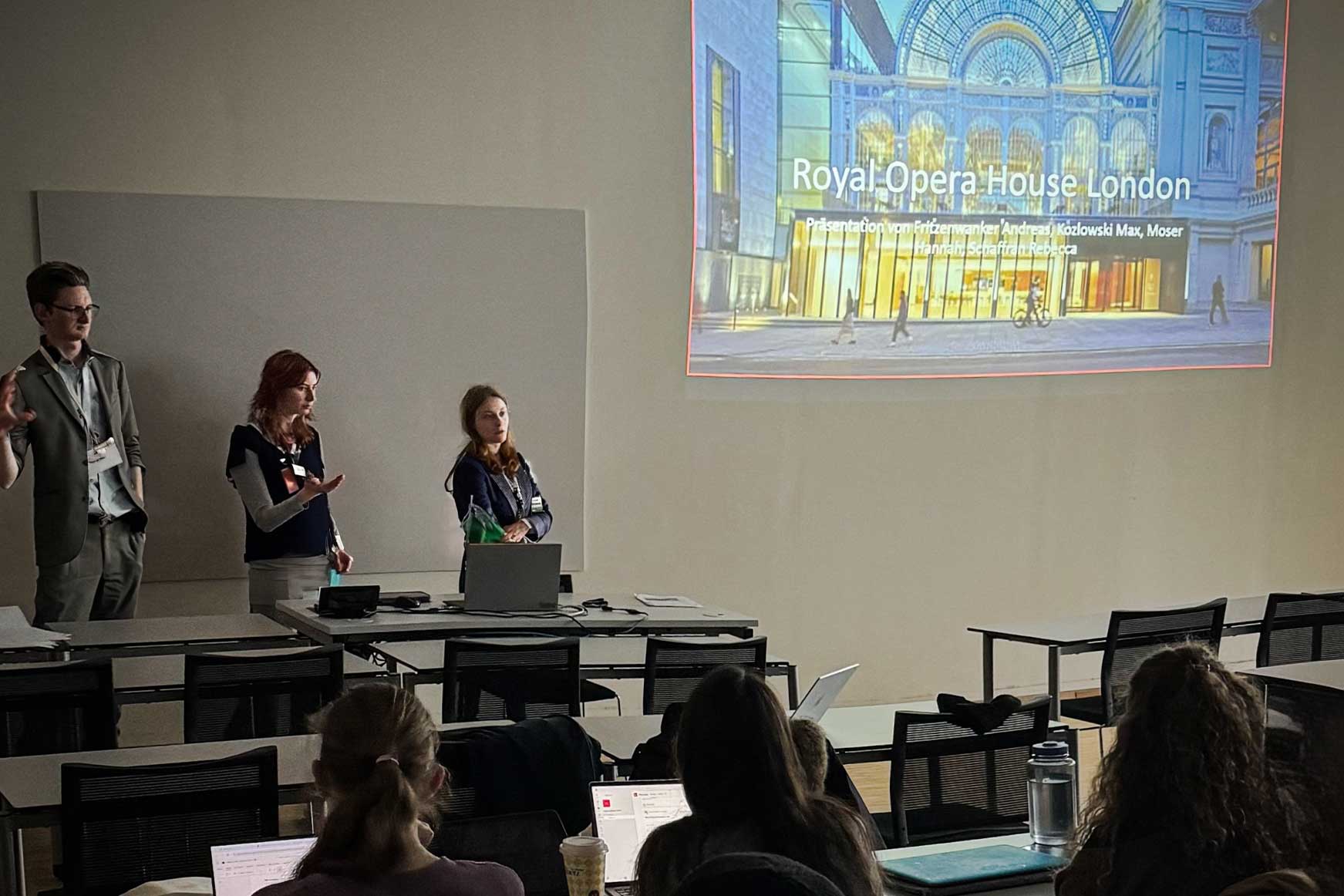
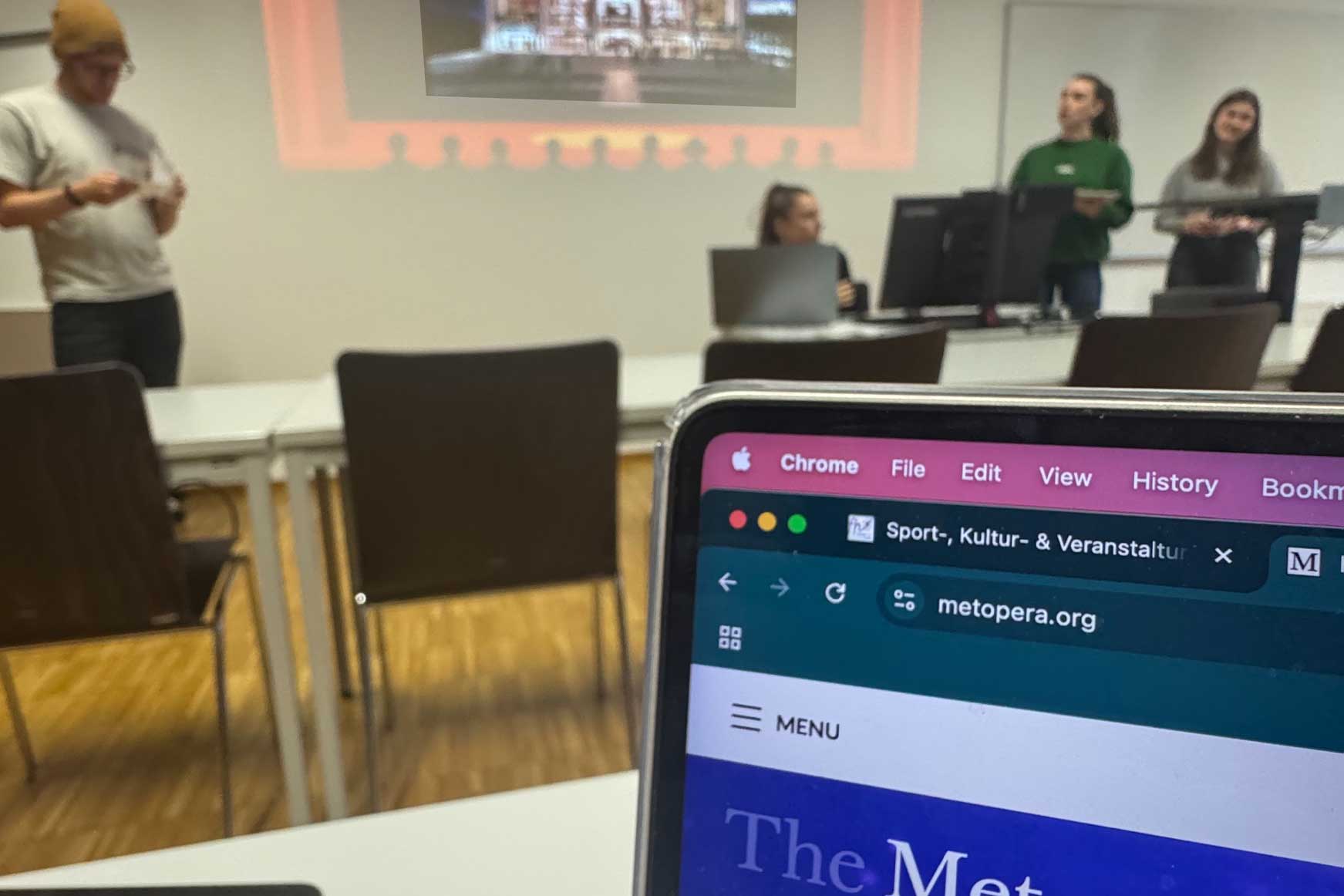
Case studies of the Royal Opera House, Metropolitan Opera and Elbphilharmonie make these comparisons concrete. Students examine programming, financing, institutional identity and audience relationships, then present and discuss their findings. The classroom photographs below show student presentations on the Royal Opera House and Metropolitan Opera.
International case studies developed and presented by students at FH Kufstein Tirol.
Audience development begins with understanding who participates, who does not, and why. Students examine audience research, cultural preferences and the social conditions that shape access to the arts. Classroom work connects these questions with education, community outreach and practical marketing.
“A cultural institution that is elitist and detached from the world—or is perceived that way—has no future. We need to involve people, let them look behind the scenes and make them feel part of the institution.”
Michael Sowa about participation and belonging
This approach treats participation as an ongoing relationship. Welcoming communication, encounters with artists and insights into the work behind a performance can help people develop a sense of belonging and the confidence to engage with unfamiliar art.
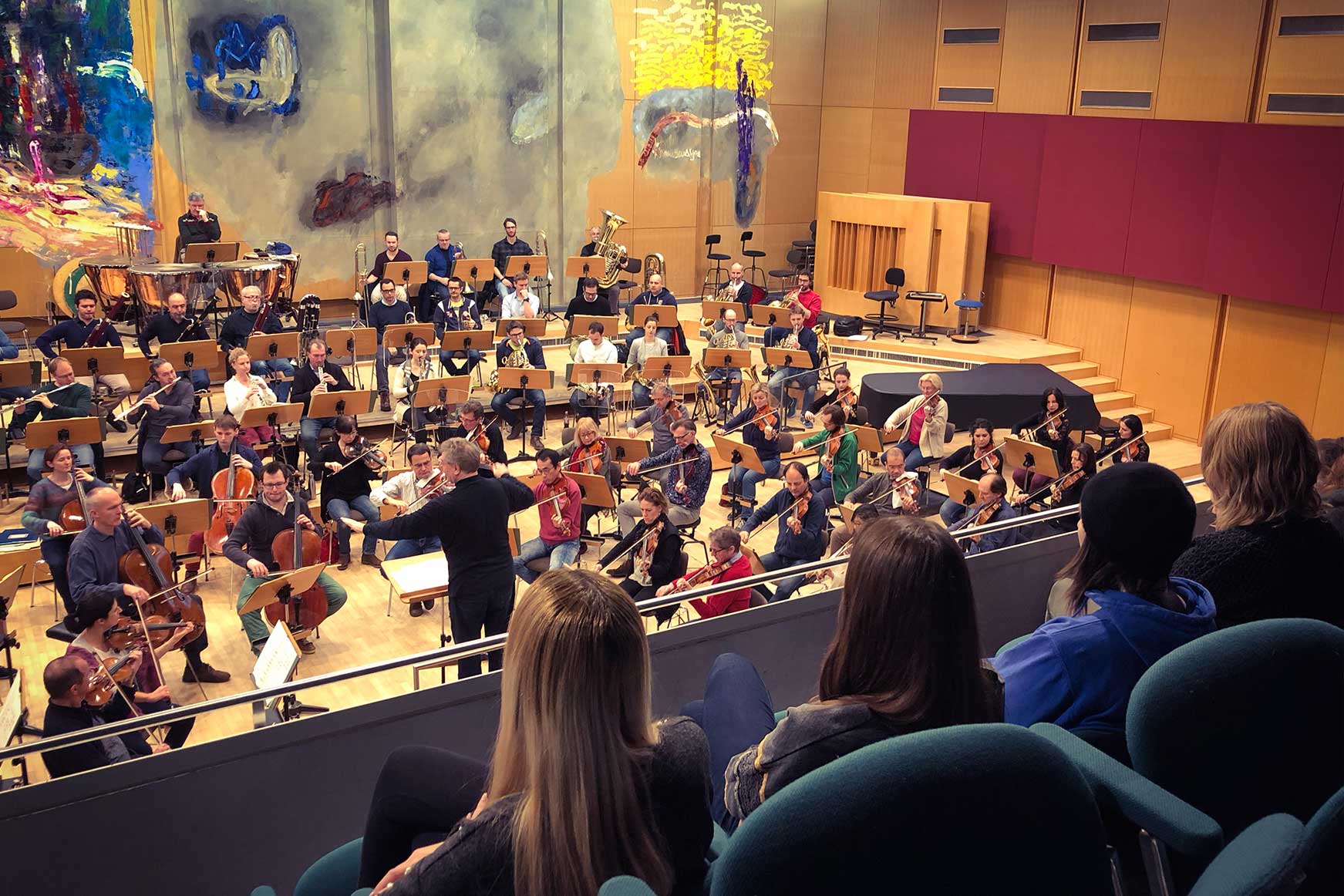
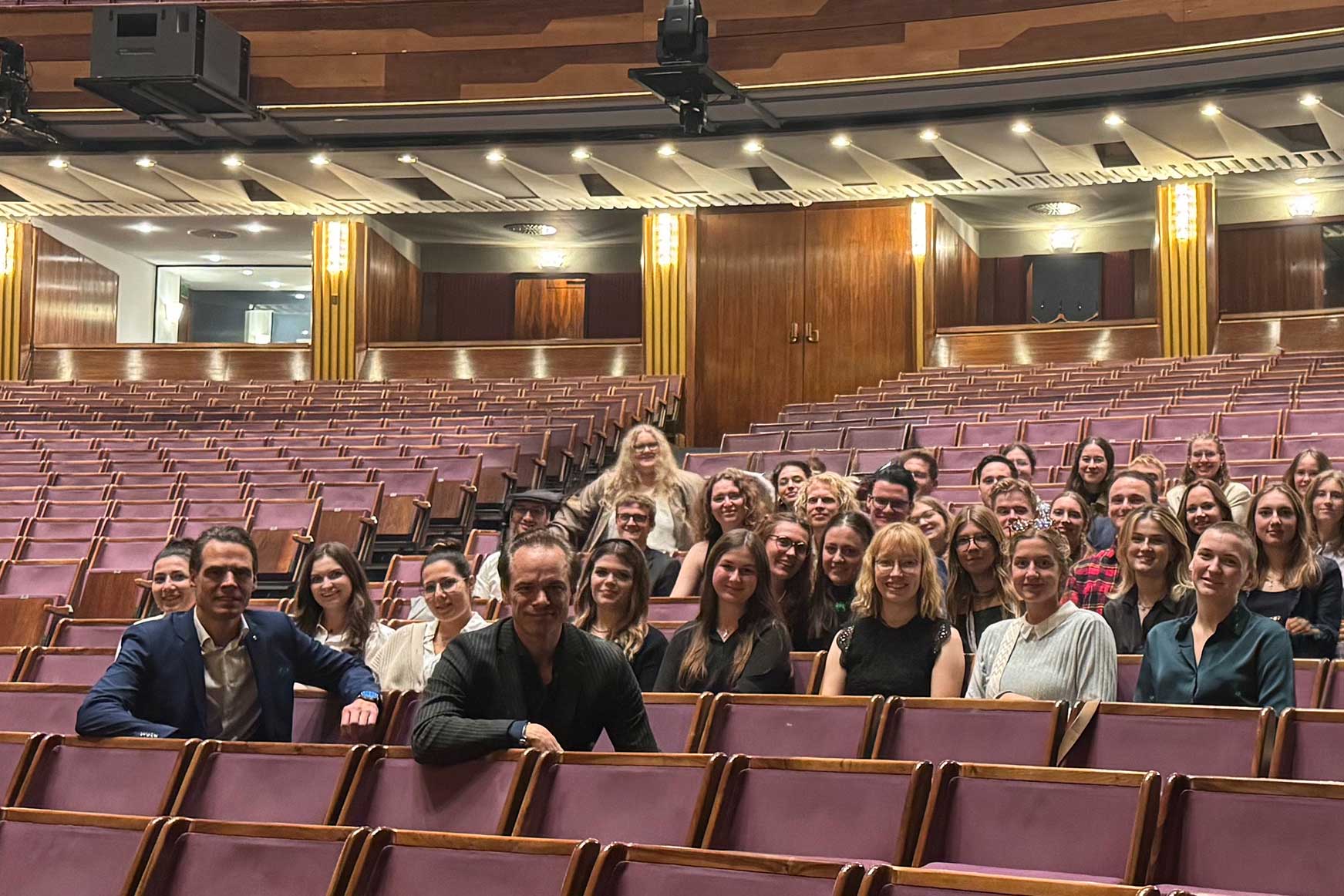
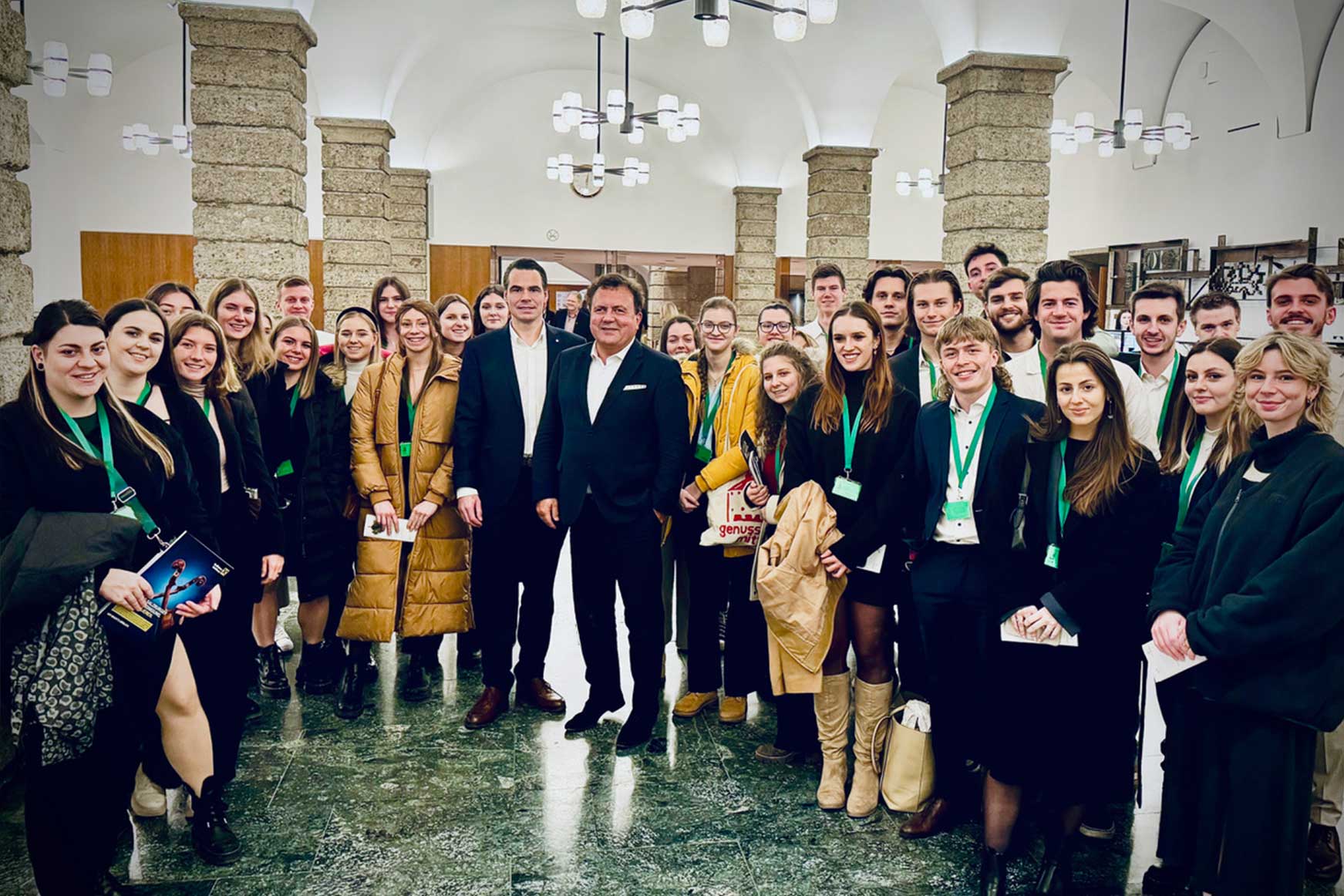
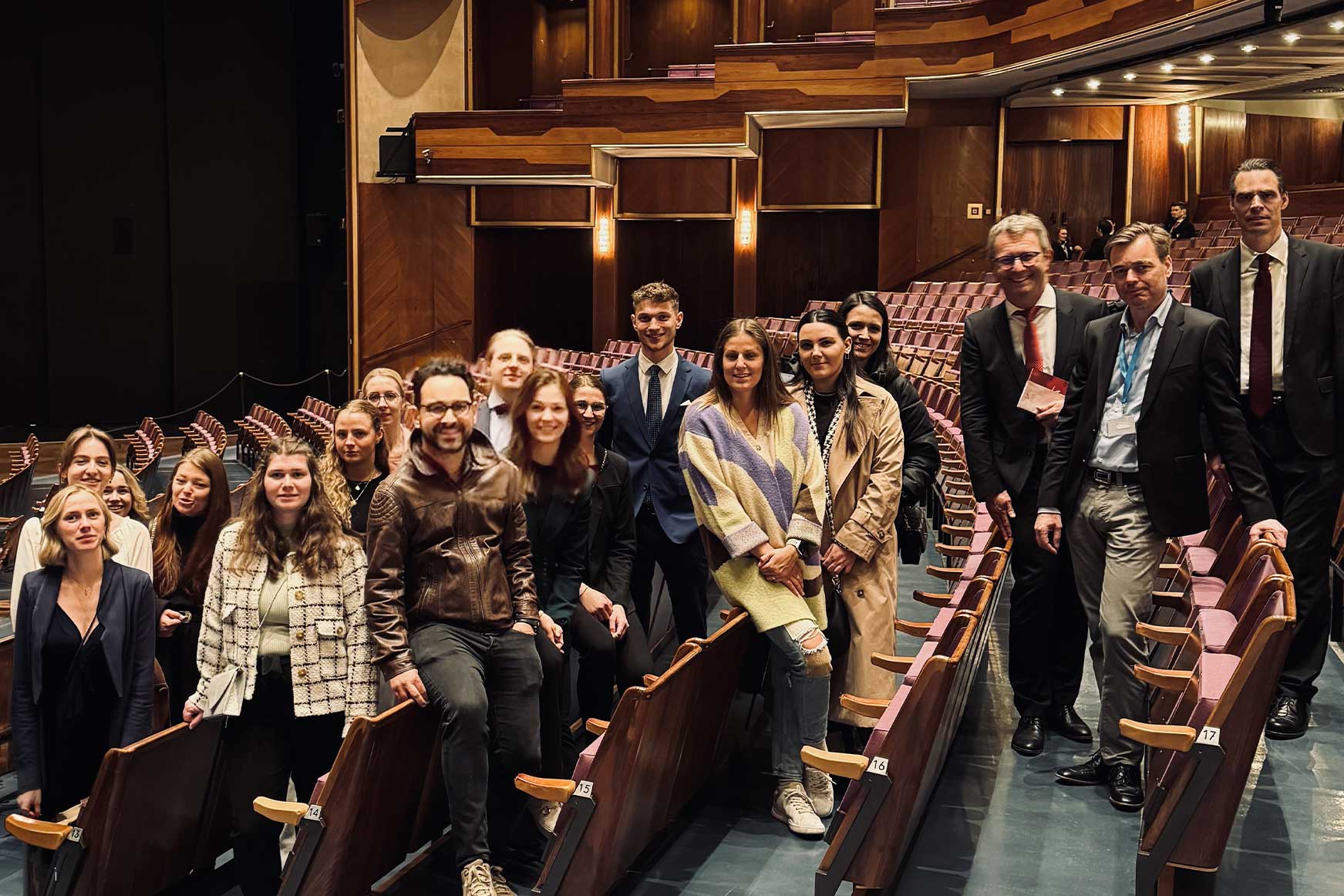
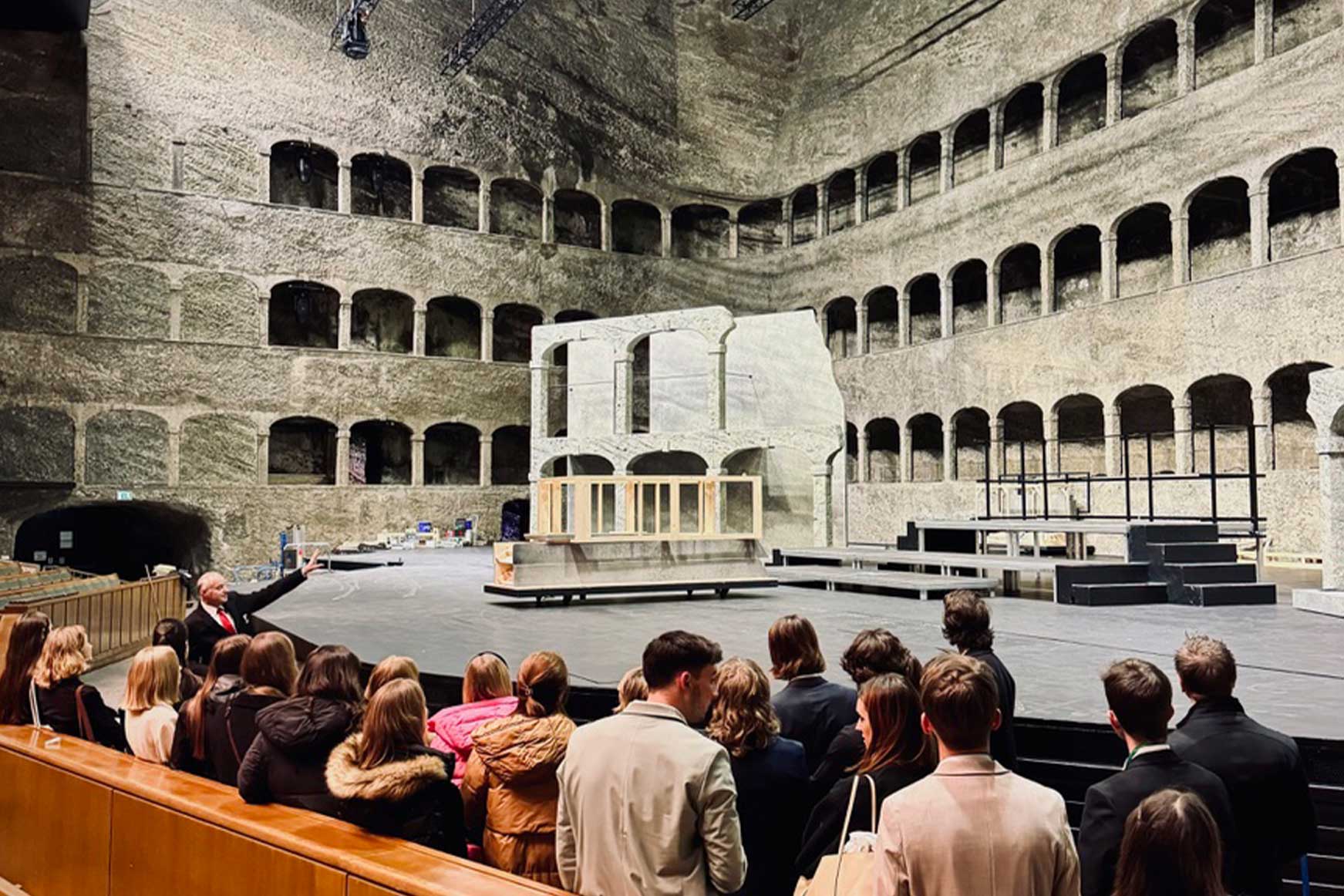
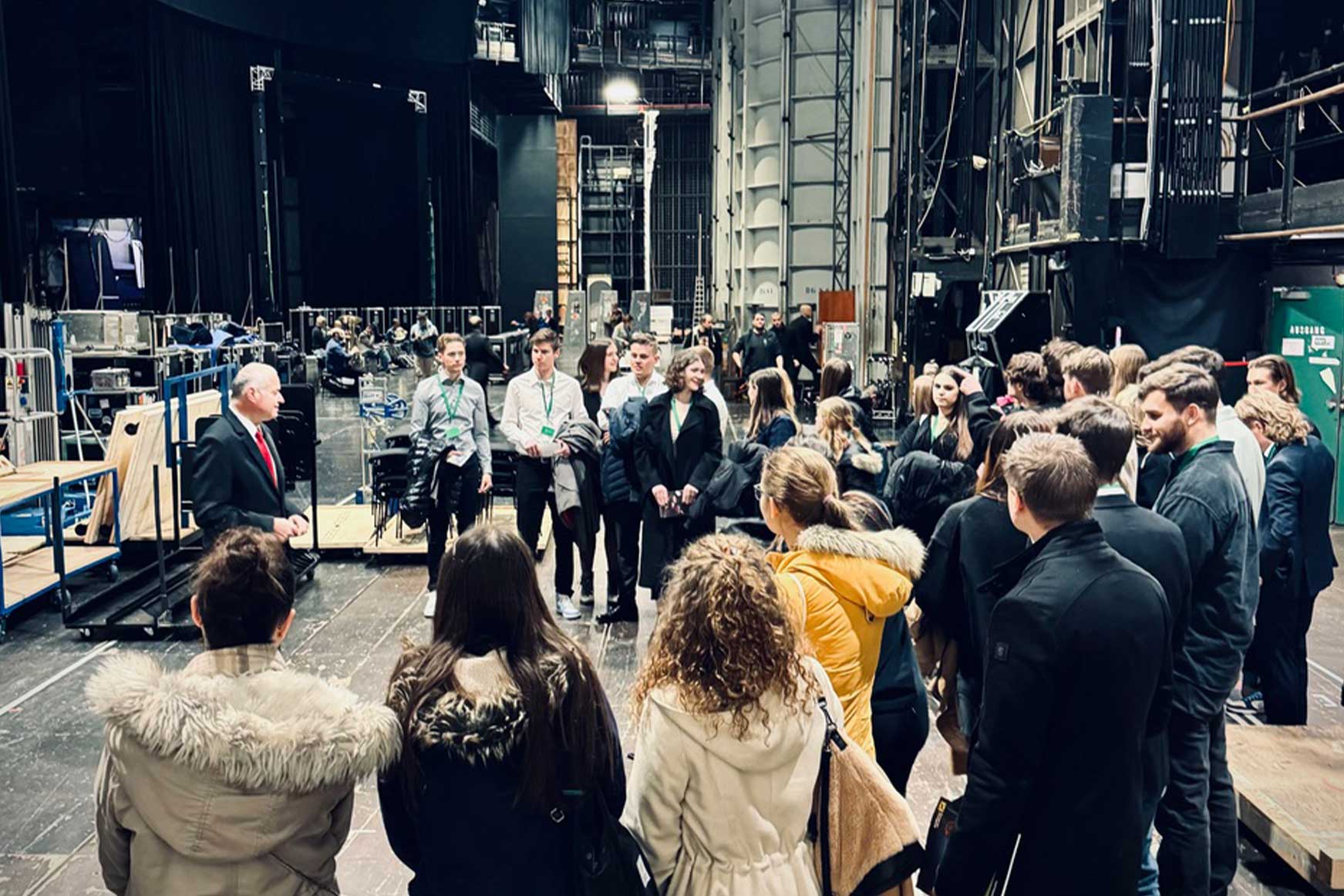
A study visit to Salzburg forms part of each semester. Concerts, introductory talks and conversations with cultural professionals connect classroom discussion with the working life of orchestras and concert presenters.
These visits have offered opportunities to hear the Mozarteum Orchestra Salzburg, Wiener Symphoniker and Orchestra della Svizzera Italiana. Meetings with Jan Nast, managing director of the Wiener Symphoniker, and Siegwald Buetow of the Mozarteum Orchestra have provided insights into orchestral management and the decisions behind the performances.
Concert attendance has been combined with introductory talks and encounters with artistic leaders Benjamin Schmid and Thomas Heissbauer. Visits behind the scenes at Salzburg’s festival venues add a practical perspective on programming, production, music education and audience relationships.


As project coach for the student-led initiative Art unplugged, Sowa supported applied learning through the development and delivery of a participatory cultural event.
Working with artist Thea Barth, the student team created a collaborative painting experience centered on creativity, exchange and participation. The project connected cultural programming with teamwork, communication and practical event management.
Beyond classroom teaching, Sowa supports students through individual coaching and the supervision of bachelor’s and diploma theses. His responsibilities at FH Kufstein Tirol include serving as an examiner at diploma examinations and conducting admissions interviews for bachelor’s and master’s programs. This work accompanies students from admission through independent academic work to final assessment.
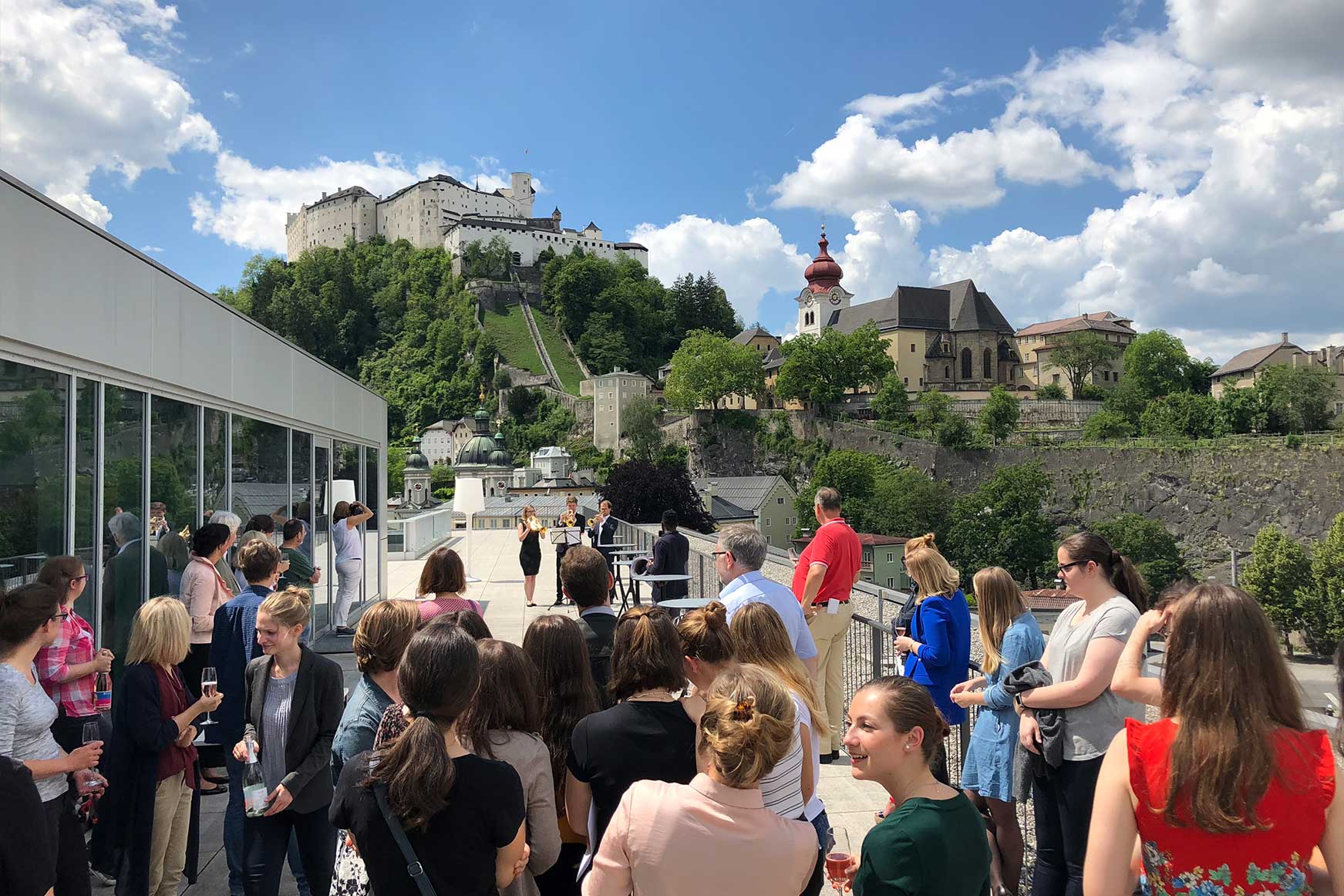
Across both institutions, Sowa’s teaching brings artistic understanding, international perspectives and professional practice together. The aim is to develop the judgment to build cultural organizations that uphold artistic standards, welcome people and create meaningful encounters with music.
“We need to use modern media, but they can never replace artistic quality. Quality remains central. Everything we do should ultimately serve one purpose: to bring people into the concert hall, where a symphony by Gustav Mahler can move them to tears.”
Michael Sowa about artistic quality and the concert experience
Explore Camerata Salzburg Explore cultural leadership at Esterházy Get in touch